What dermal fillers are and how they work
Hyaluronic acid is a molecule the body already makes; it holds water and helps skin stay supple. The fillers we use are CE-marked hyaluronic acid gels, and most contain lidocaine, a local anaesthetic, to make treatment more comfortable. Different gels have different firmness: firmer products give structural support, softer ones are used where a lighter touch is needed.
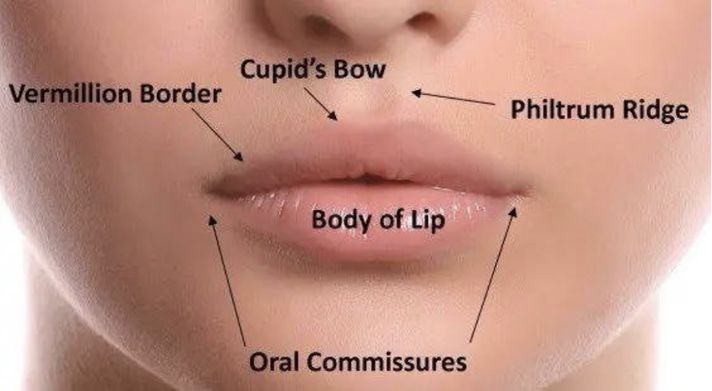
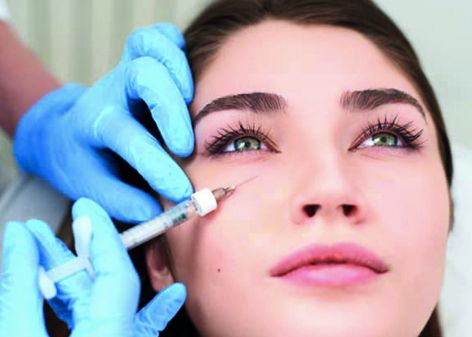
The change is visible straight away and continues to settle as the gel integrates with the surrounding tissue. As general information, results typically last between 6 and 18 months, depending on the area, the product and your own metabolism. We also offer separate pages for lip filler and tear trough filler, which have their own considerations.
Cheek filler in Stoke-on-Trent
With age, the midface can lose volume, which some people feel makes them look flatter or more tired. Cheek filler aims to restore some of that support. At consultation your practitioner looks at your face from the front and side, at rest and when you smile, to judge whether the cheeks are the right place to treat or whether the concern lies elsewhere.
Because adding volume to the cheeks can change how the lower face and under-eye area look, the plan is discussed as a whole rather than one area in isolation. If a small amount, or no treatment, is the more sensible option, we will say so.
Chin filler in Stoke-on-Trent
The chin plays a large part in how balanced the profile looks. Chin filler can be used to refine the contour of the chin, for example adding a little projection or length, where that suits your proportions. Your practitioner will assess your profile, your jaw and how your lips meet before suggesting anything.
This is a structural area, so a firmer gel is usually considered. The consultation will cover what change is realistic with filler, and when a concern is better discussed with a surgeon or other specialist instead.
Jawline filler in Stoke-on-Trent
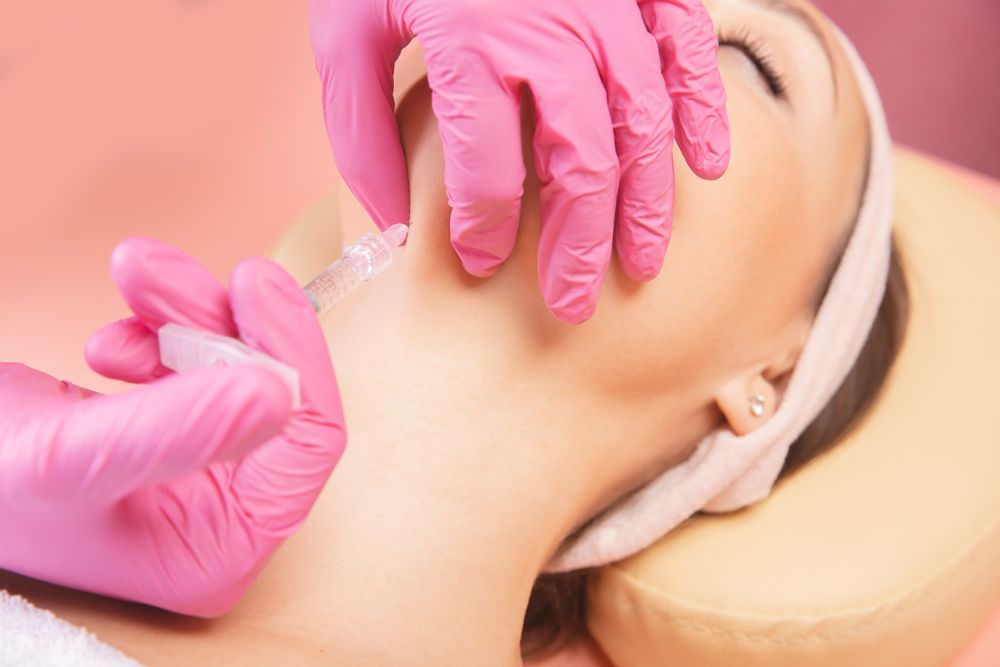
Jawline filler, sometimes called jaw augmentation, places filler along the jaw to refine its contour. People ask about it for different reasons: some want a more defined line between the jaw and neck, others want to improve balance between the two sides of the face.
Treatment planning takes account of bone structure, skin quality, the chin and the neck. If skin laxity is the main concern rather than volume, filler may not be the right tool, and your practitioner may suggest discussing radiofrequency skin treatments instead.
Smile lines and folds
The lines that run from the nose to the corners of the mouth (nasolabial folds) and from the mouth towards the chin (marionette lines) are natural features that tend to deepen with time. Filler can soften the depth of these folds in suitable cases.
Deep folds are often linked to volume changes elsewhere in the face, so your practitioner may explain that treating the fold directly is only part of the picture. The aim is a softer look that still moves naturally when you talk and smile.
Your consultation
Your first appointment is a face-to-face consultation. Your practitioner will take a full medical history, including medicines, allergies and previous aesthetic treatments, and talk through what you would like to change. They will then examine your face, assess volume and structure, and explain which areas, if any, they would recommend, along with the product type, risks and aftercare.
Treatment only goes ahead if it is suitable and you are comfortable with the plan. Filler is not appropriate if you are pregnant or breastfeeding, have an autoimmune condition, or are hypersensitive to hyaluronic acid or lidocaine. To arrange an appointment, book a consultation.
Safety and aftercare
Side effects are usually mild and temporary: swelling, redness, tenderness or bruising around the injection points. Your practitioner will explain less common risks before you consent, and how to contact us if you notice anything unexpected.
- Avoid strenuous exercise, alcohol and excessive heat, such as saunas, for 24–48 hours.
- Do not touch, press or massage the treated area unless you have been told to.
- Follow the written aftercare guidance you are given on the day.
If you have any concerns after treatment, call 01782 438998.