Why PCOS causes unwanted hair
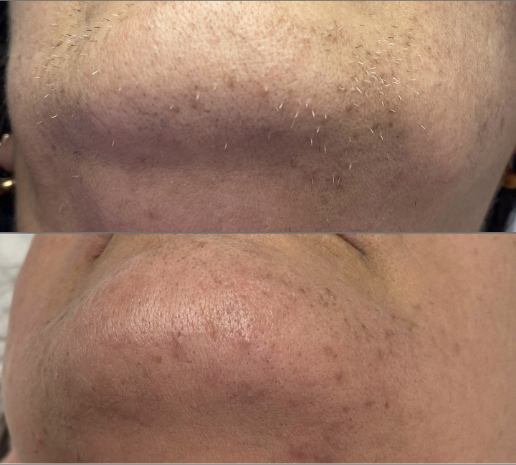
Polycystic ovary syndrome is a common hormonal condition. The NHS estimates it affects about 1 in every 10 women in the UK. One of its most noticeable symptoms is hirsutism: coarse, dark hair growing in places where women usually have little or fine hair, such as the chin, upper lip, jawline, neck, chest, stomach and back.
This happens because PCOS can raise the level of androgens, sometimes called male hormones. Androgens can turn fine, soft hair into thicker, darker hair and keep follicles producing it. That is why PCOS hair often feels stubborn: it grows back quickly after shaving, can leave a shadow on the face and is prone to ingrown hairs and irritation after plucking or waxing.
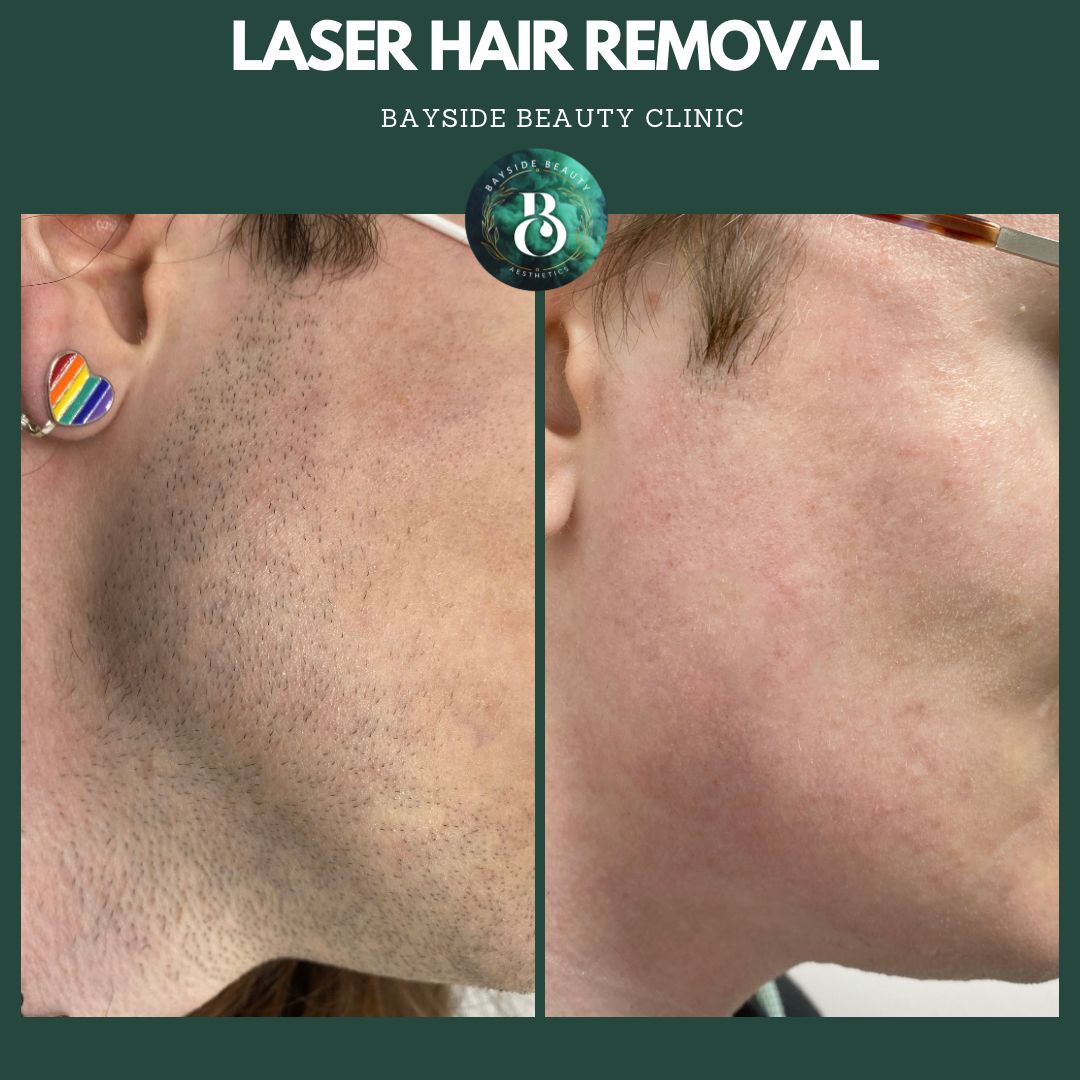
Our client Louise, who has PCOS, was shaving every day before she started laser with us. If that sounds familiar, you are not alone, and you do not need a formal diagnosis to come and talk to us.
“Since coming here, I haven’t had to think about shaving.”
In her video, Louise talks about why she put off treatment for two years, how comfortable the team made her feel and how little she now has to think about shaving.
Laser hair removal for PCOS
For most people with PCOS, laser hair removal is the main treatment we recommend. We use the Candela GentleMax Pro, a medical-grade system with dual-wavelength technology. Laser light is absorbed by the pigment in the hair and travels down to the follicle, where the heat reduces its ability to grow hair.
Hormonal hair is often dark and coarse, which is exactly the type of hair laser targets well. The Candela can switch modes, which gives us close control over the energy used for different skin types and hair depths, so we can treat a wide range of skin tones. A built-in cooling system helps keep discomfort to a minimum.
Many clients notice a change after the first session, with hair growing back slower and finer each time. With PCOS, hair can take longer to respond, so it is normal to need more sessions than someone without a hormonal condition, followed by occasional top-ups.
Electrolysis for fair, grey or stray hairs
Laser relies on pigment, so it cannot treat blonde, grey, white, ginger or very fine hair. For those hairs we offer electrolysis with a Sterex device. A very fine probe is placed into each follicle in turn and a tiny electric current is delivered to the root, weakening it until it stops producing hair. Each follicle usually needs treating around 6 times.
Electrolysis is precise, which makes it useful for stray chin hairs and small areas. If your hair growth is linked to a hormonal imbalance such as PCOS, progress may be slower, but a long-term result is still possible. Some clients use both treatments: laser for the bulk of the dark hair and electrolysis for the lighter hairs that are left.
Areas we treat for PCOS hair growth
- Chin and jawline, one of the most common areas for PCOS hair
- Upper lip
- Full face and neck, including sideburns and cheeks
- Chest and around the nipples
- Stomach, including the line below the navel
- Back, arms, legs and bikini where hair is thicker than you would like
You can treat one area or several. We will talk through which areas bother you most and plan your course around them.
How many sessions will I need with PCOS?
Laser can only treat hairs in their active growth phase, so a course is spread out. Most laser clients need 6–8 sessions, spaced 4–6 weeks apart. PCOS can affect how many sessions you need and how far apart they are, because hormones keep influencing hair growth. Many people with PCOS need more sessions than average, and some book maintenance sessions afterwards if new hairs appear.
We would rather be honest about this at the start than promise a set number of sessions. Your therapist will review your progress at each visit and adjust the plan with you. If your hormones change, for example with new medication, it is worth telling us, as it can affect your results.
Your first visit: consultation and patch test
- Consultation (£25). We talk about your hair growth, your medical history and any medication, including treatment you may be having for PCOS. We look at your skin and hair to decide whether laser, electrolysis or a combination will suit you best.
- Patch test. We test a small area to check how your skin responds before you commit to a course.
- Your plan. We explain the number of sessions you are likely to need, the spacing between them and the cost, so you know where you stand.
- Treatment sessions. Sessions are quick for small areas such as the chin or upper lip. Your therapist checks how you are feeling throughout.
Between sessions: shaving yes, plucking no
Once your laser course starts, you can shave between sessions. Please stop plucking, threading and waxing, because they remove the hair from the follicle and laser needs it there to work. If you have been plucking chin hairs for years, this can feel like a big change, but it makes a real difference to your results.
If you shave before an appointment, take a photo of the area first and bring it along so your therapist can see exactly where the hair grows. Avoid sun exposure and fake tan on the treatment area, and follow the aftercare advice we give you.
Laser does not treat PCOS itself
Laser and electrolysis reduce hair. They do not treat the hormone imbalance behind it. If you have new or worsening hair growth, irregular periods, acne or other symptoms, speak to your GP, who can look at the underlying cause and treatment options.
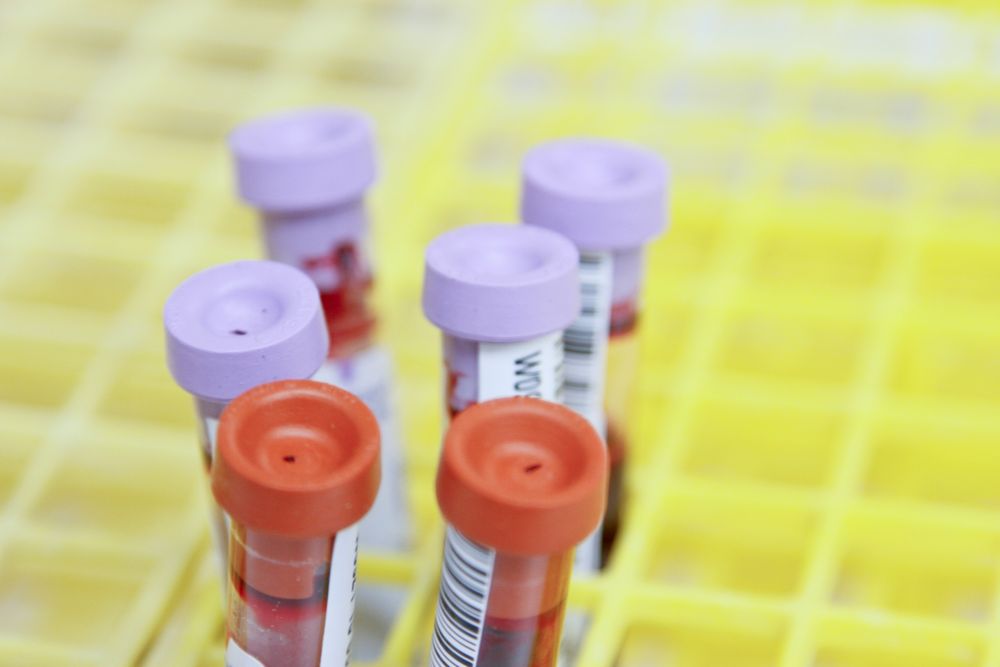
If you would like to check your hormone levels or thyroid function, we also offer private blood tests at our clinic, processed by a UK-accredited laboratory, so you have results to discuss with your GP. A blood test on its own does not diagnose PCOS.
PCOS can also cause breakouts. If acne is part of the picture, our acne treatment page explains how we build a plan for your skin.
PCOS hair removal prices
Laser prices are per session, with a six-session price when you pay for all six upfront. Here are the face areas people with PCOS ask about most:
| Area | Per session | Six sessions |
|---|---|---|
| Upper lip | £25 | £125 |
| Chin | £35 | £175 |
| Upper lip & chin | £55 | £275 |
| Full face | £75 | £375 |
| Full face & neck | £90 | £450 |
Body areas such as the stomach, chest and back are on our full price list. Electrolysis sessions last 45 minutes. The consultation and patch test cost £25.
Why choose Bayside for PCOS hair removal
- Experience with hormonal hair. Clients with PCOS, including Louise, Andrea and Sandra in the videos on this page, have trusted us with their treatment.
- Two treatments under one roof. Laser for dark hair and electrolysis for fair or stray hairs, so we can treat what you have rather than what one machine can do.
- An honest plan. We explain that PCOS can mean more sessions, and we tell you if a treatment is not right for you.
- A team clients name in their reviews. We are rated 5.0 from 392 Google reviews, and the clinic is led by our owner Umehra, a registered nurse.
Our laser clinic is on Pelham Street in Hanley, easy to reach from across Stoke-on-Trent, Newcastle-under-Lyme, Stone and the rest of Staffordshire. We also have a second clinic in Walsall. To book, use our online booking, call 01782 438998 or send us a message.