What anti-wrinkle treatment involves
Expression lines form where the same muscles contract thousands of times a day. Anti-wrinkle treatment uses very small, precisely placed doses of a prescription medicine to reduce the nerve signals to those muscles for a period of time, so the overlying skin creases less.
The areas most often discussed at consultation are:
- Forehead lines, from raising the eyebrows
- Frown lines between the brows
- Crow's feet at the outer corners of the eyes
As general information, the effect typically starts to appear within 3–5 days and is usually fully visible by 10–14 days. It then wears off gradually, often over around 3–4 months, although this varies with your metabolism, muscle strength and how expressive you are. Your prescriber will explain what is realistic for you rather than promising a fixed outcome.
Is anti-wrinkle treatment in Stoke-on-Trent right for you?
Treatment may suit adults who are bothered by lines that appear with movement, or who want to discuss slowing the point at which those lines become etched in at rest. Some people also ask about softening asymmetry or a subtle change to brow position; whether that is appropriate depends on your anatomy and is assessed in person.
It is not suitable for everyone. We will not treat you if you are pregnant or breastfeeding, if you have a neuromuscular disorder, or if you have a known allergy to botulinum toxin type A. Lines that are present even when your face is completely still, or that relate to volume loss, may respond better to a different approach, such as dermal fillers or skin boosters, and your practitioner will say so if that is the case.
Jaw tension and teeth grinding: masseter consultations
Some people who clench or grind their teeth, often at night, notice that the large chewing muscle at the angle of the jaw (the masseter) feels tight, tired or overworked. If this sounds familiar, you can ask about it at your consultation.
Your prescriber will ask about your symptoms, how long you have had them, any dental treatment or night guard you use, and your general health. They will examine how the muscle feels when you clench and relax, and then tell you honestly whether treatment of the masseter is appropriate for you, what it can and cannot do, and what the alternatives are.
Jaw pain, clicking, headaches or worn teeth can have causes that need a different professional. If anything suggests that, we will recommend you see your dentist or GP before considering an aesthetic treatment, and we will not go ahead until that has been ruled out.
Your consultation
Every treatment starts with a face-to-face assessment with a prescriber. It is a genuine medical consultation rather than a sales conversation, and it covers:
- Medical history: current medicines, allergies, past treatments, neurological conditions, pregnancy or breastfeeding.
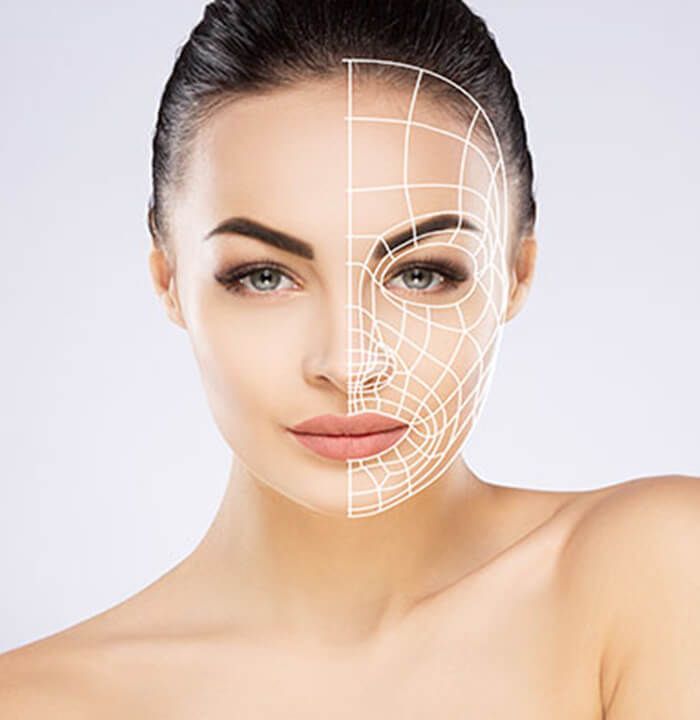
- Facial assessment: watching how your face moves so the muscles responsible for your concern can be mapped.
- Your goals: what bothers you, what you want to keep (most people want to look like themselves, just less tired), and what is realistic.
- Risks and aftercare, explained before you decide anything.
Treatment only goes ahead if the prescriber is satisfied it is suitable and safe for you, and once you have had all your questions answered. If it is not right for you, we will tell you.
What happens on the day of treatment
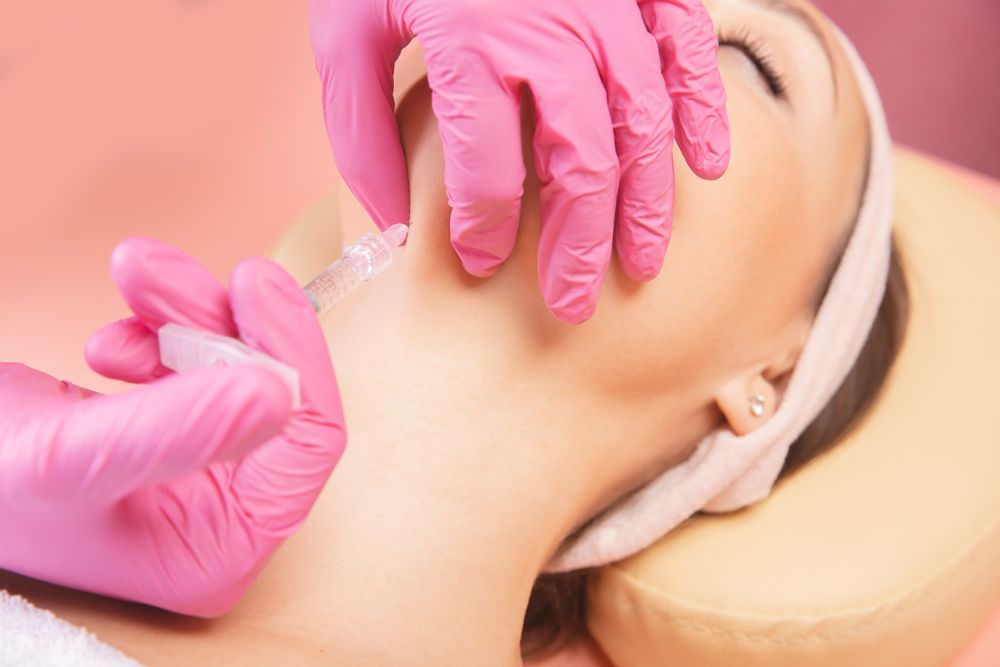
If you go ahead, your practitioner cleanses the skin and plans the dose for each point based on muscle strength and facial symmetry. The medicine is placed with a very fine needle so that it stays local to the muscle being treated. The injections themselves take only a few minutes.
You can usually return to normal, non-strenuous activities straight away. A follow-up review is offered so your practitioner can check how the treatment has settled and discuss whether anything needs refining. You can find our clinic details on the Stoke-on-Trent clinic page.
Safety and aftercare
Botulinum toxin has been used in medicine for many years, and complications are uncommon when it is prescribed and administered by trained professionals. As with any injection, there are possible side effects, which we discuss with you beforehand.
- Temporary redness, swelling or small bruises at the injection points, which usually settle within a few days.
- Occasionally a headache, or slight asymmetry that can be reviewed at follow-up.
For the first 4–6 hours after treatment, avoid rubbing or massaging the area, lying down, and strenuous exercise, so the medicine stays where it was placed. If anything concerns you after your appointment, call the clinic on 01782 438998 and we will advise you.