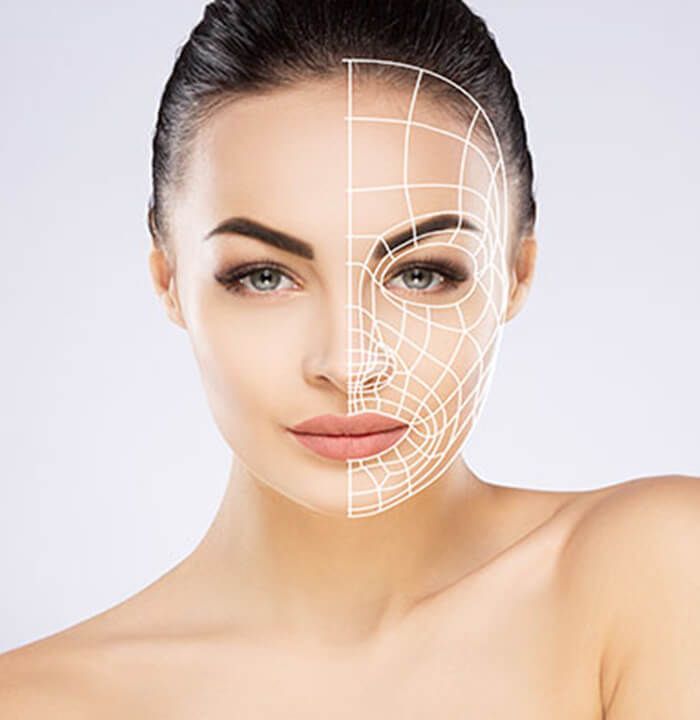
How microneedling works
Microneedling, sometimes called collagen induction therapy, is a well-established skin treatment. A device fitted with very fine needles passes over the skin and makes many tiny punctures in the upper layers. These micro-injuries are small enough to heal quickly, but they signal the skin to start its natural repair response.
Part of that response is the production of new collagen and elastin, the proteins that give skin its structure and spring. Over the weeks after treatment, this gradual remodelling can soften the look of scarring and improve overall texture. Because the change depends on your own skin rebuilding itself, results build slowly and vary from person to person.
Microneedling does not remove the outer layer of skin the way some resurfacing treatments do, which is one reason it is often considered for people who want a gradual improvement without a long recovery.
Acne scar treatment with microneedling
Acne can leave different kinds of marks, and they do not all respond to the same treatment. Broadly, scarring falls into a few types:
- Rolling scars, which give the skin a wavy, uneven surface
- Boxcar scars, which are wider depressions with defined edges
- Ice pick scars, which are narrow and deep
- Marks and discolouration left after spots have healed, which are not true scars
Microneedling is commonly used for rolling and shallower boxcar scars, and for general texture. Very deep or narrow scars may need a different approach or a combination of treatments. Discolouration may respond better to a chemical peel or other pigmentation treatment.
If you still have active breakouts, the first step is usually to get the acne under control. Our acne treatment page explains how we approach that. Treating scars while spots are still forming can irritate the skin and is generally avoided.
Derma pen, derma rollers and fractional skin resurfacing
Bayside offers microneedling with both a derma pen and derma rollers, and also lists fractional skin resurfacing (FSR) among its skin treatments.
- Derma pen: a handheld, motorised device with a small cartridge of needles. The needle depth can be adjusted for different areas of the face, which allows more precise work around the nose, mouth and eyes.
- Derma roller: a small drum covered in fine needles, rolled across the skin in different directions.
- Fractional skin resurfacing: a resurfacing approach that treats the skin in a grid of tiny points while leaving the skin in between untouched, which helps it recover.
Your practitioner will explain which option they recommend for your skin and why. Professional treatment is different from the home rollers sold online: the needles, depth, hygiene and skin preparation are all controlled in clinic.
Is microneedling right for me?
Microneedling may suit you if you are concerned about acne scarring, uneven texture, enlarged-looking pores or skin that has lost some smoothness. It is usually not suitable, or needs to wait, if you have:
- Active acne, a skin infection or a cold sore in the treatment area
- Taken oral acne medication recently
- A tendency to raised or keloid scarring
- A skin condition such as eczema or psoriasis flaring in the area
- Pregnancy, or take medication that affects bleeding or healing
This is not a complete list, which is why we take a full medical and skin history at your consultation. If microneedling is not the right fit, we will suggest an alternative rather than treat you anyway.
What happens on the day
Your skin is cleansed and prepared, and your practitioner may apply a numbing cream to make treatment more comfortable. The device is then worked across the area in a careful pattern, with more attention given to scarred or uneven patches. A soothing product is applied at the end.
Straight afterwards the skin typically looks pink or red, similar to mild sunburn, and may feel tight or warm. For most people this settles over a day or two. Some light flaking can follow as the skin renews itself.
Aftercare and building a course
Your practitioner will give you aftercare advice for your skin. Common guidance after microneedling includes keeping the skin clean, avoiding make-up and strong active ingredients for a short period, steering clear of saunas and heavy exercise for a day or so, and wearing a broad-spectrum SPF every day.
Because collagen forms gradually, microneedling is usually planned as a course with time between sessions for the skin to recover. The number of sessions depends on your skin and the depth of scarring, and your practitioner will confirm it at consultation. You are welcome to ask to see our microneedling skin resurfacing before-and-after photos, keeping in mind that every person's skin responds differently.
Booking microneedling in Stoke-on-Trent
Microneedling is priced after your skin has been assessed, as the cost depends on the area, the method and the number of sessions. Your practitioner will confirm the price before any treatment begins. You can also browse our aesthetics price list for other skin treatments.
To arrange a consultation, call our Stoke-on-Trent clinic on 01782 438998 or book online. Directions are on our clinic location page.