What is PRP treatment?
Platelet-rich plasma, usually shortened to PRP, is a concentrate made from your own blood. Platelets are best known for their role in clotting, but they also carry growth factors, the signalling proteins the body uses during healing and repair. PRP treatment aims to put a concentrated dose of those factors exactly where you want the skin to respond.
Because PRP is prepared from your own blood, there is no synthetic product and no donor material involved. That is one reason people who prefer a gradual, low-intervention approach often ask about it. It is sometimes described online as a “vampire facial”, a nickname for PRP used on the face, often alongside microneedling.
PRP is not a quick fix and it does not change the shape of your face. Think of it as a way of supporting the skin’s own renewal, with any change appearing gradually over the following weeks.
How PRP treatment works, step by step
- Consultation. We talk through your concerns, medical history and any medication, and look at your skin. If PRP is not the right option, we will tell you and suggest what may suit you better.
- Blood sample. A small amount of blood is taken from your arm, similar to a routine blood test.
- Preparation. The sample is placed in a centrifuge, which spins it to separate the platelet-rich plasma from the red blood cells.
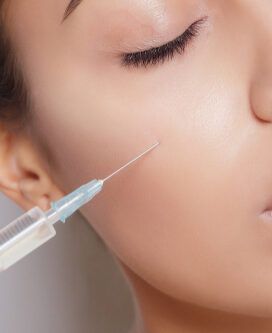
- Application. The PRP is introduced into the treatment area, either with very fine injections or worked into the skin during microneedling. Your practitioner will explain which approach they recommend.
- Aftercare. You go home with clear aftercare advice and know who to contact if you have any questions.
Your practitioner will confirm the timings for your appointment at consultation, including time for numbing the skin where needed.
PRP for the face and under-eyes in Stoke-on-Trent
On the face, PRP is most often used for overall skin quality rather than a single feature. Concerns people commonly ask us about include:
- Dull or tired-looking skin that has lost some of its glow
- Fine texture and crepey areas, such as the cheeks and around the mouth
- The under-eye area, where skin is thin and can look dark or crepey
- Mild textural acne scarring, usually alongside microneedling
The under-eye area is a common reason people consider PRP, because it is a delicate area where many people prefer not to use filler. If your main concern is a deep hollow under the eye, our tear trough page explains how we assess that, and which option suits you will be discussed honestly at consultation.
We also offer PRP hair restoration for thinning hair on the scalp.
We would rather explain the limits of a treatment than promise a result it cannot give. PRP works best for people who want a subtle, gradual improvement and are happy to follow a course.
What results can I expect?
Results from PRP build slowly, because they depend on your own skin responding over time. Many people notice their skin looks fresher in the weeks after treatment, but the degree of change varies from person to person and is influenced by age, skin condition, lifestyle and how many sessions you have.
PRP is usually planned as a short course rather than a single appointment, with maintenance sessions afterwards if you are happy with the result. Your practitioner will recommend a plan at consultation. The research into PRP for skin is still developing, so we will always give you a realistic picture rather than a guarantee.
Sun protection, a sensible skincare routine and not smoking all help you get the most from any skin treatment, including PRP.
Is PRP right for me?
PRP may suit you if you want to improve skin quality gradually, using your own blood rather than a synthetic product. It is not suitable for everyone. Treatment is usually not recommended, or needs to wait, if you:
- Are pregnant or breastfeeding
- Have a blood or platelet disorder, or take blood-thinning medication
- Have an active skin infection, cold sore or inflamed acne in the area
- Are unwell, or are having treatment for cancer
- Have a condition or take medication that affects healing
This is not a complete list, which is why we go through your medical history at your consultation before anything is booked. If you are unsure, ask us; we would rather check than treat when it is not right for you.
After your PRP treatment
It is normal for the treated area to look red, slightly swollen or a little bruised for a short time afterwards, particularly around the eyes. The blood sample site on your arm may also be tender. These effects usually settle on their own.
We will give you written aftercare advice. Typical guidance includes keeping the skin clean, avoiding make-up for a short period, and avoiding saunas, intense exercise and strong sun exposure while the skin settles. Contact the clinic if anything worries you after treatment.
PRP treatment price and booking
PRP treatment at Bayside starts from £150. The exact price depends on the area treated and how many sessions you need, and we confirm it at your consultation before anything goes ahead. A consultation at Bayside costs £25 and takes place in person at our Pelham Street clinic in Hanley. You can see our other treatment prices on the price list.
To book, use our online booking, call 01782 438998 or send us a message. Our clinic is easy to reach from across Stoke-on-Trent, Newcastle-under-Lyme and Stone.